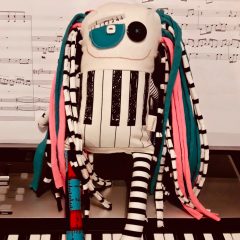
The AME course is a form of music education focusing on rhythmic skills development. It is open to anyone with or without music education. Using basic body percussion as an initial phase, we will immerse ourselves in a world of rhythm and engage in creative rhythmic exercises. Our overarching goal is to collaboratively construct music miniatures and rhythmic études with group members.
GOALS
- Provide basic musical/rhythmical education through rhythmical games, exercises, and body percussion basic training,
- Ignite curiosity towards the music creation process,
- Engage participants in the creative process of developing different rhythms and patterns in collective and individual exercises,
- Develop basic ensemble skills in participants through practice in mixed groups of musically trained and not musically trained students,



- Expose students on a regular basis to new contemporary (not classic) music and engage them in analyzing different elements in music and their influence on an audience, also expanding participants’ music taste,
- When possible, create a body percussion band, pop band or duos and trios for performing small pieces – products of our co-creation, with the possibility of a public performance at the end of the course
Benefits
- Team spirit:
It promotes personal development and a sense of community. A rhythm ensemble consists of a group of students playing various rhythm instruments such as drums, percussion, or rhythm sticks. Collaborative music-making in the ensemble fosters cooperation and team spirit. Students learn to listen to one another, stay in rhythm, and support each other. These skills are not only important in music but also in daily life and collaboration in other groups.

- Enhanced social skills and camaraderie:
Students work together to achieve a common musical goal. They learn to consider one another, make compromises, and support each other. Through collective music-making, they develop a strong bond and a sense of belonging. This enhances self-confidence and promotes a positive attitude towards collaboration.
- Increased sense of rhythm and musical precision:
Students learn to play in sync, maintain rhythm, and respond to cues from other ensemble members. This enhances their timing and ability to adapt to different sound structures. A strong sense of rhythm is not only relevant in music but can also promote understanding of mathematics and other disciplines where timing and coordination are crucial.
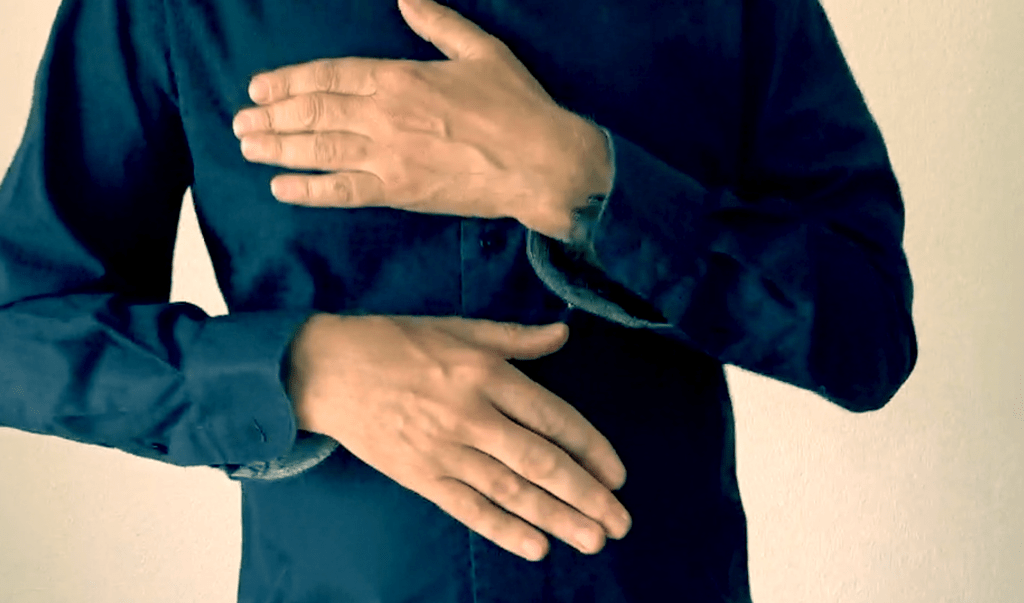
- Increased cognitive development:
Students must recognize different rhythms, memorize notes, and understand musical structure. This requires concentration, memory, and analytical skills. Through the challenges of ensemble playing, students can further develop their cognitive abilities and enhance their thinking skills.
- Promote creative expression:
Students will be able to contribute their own ideas, create variations, and introduce improvisational elements. This strengthens their creative thinking and encourages them to unfold their musical personality. The ability for creative self-expression is invaluable not only in music but also in other creative domains.
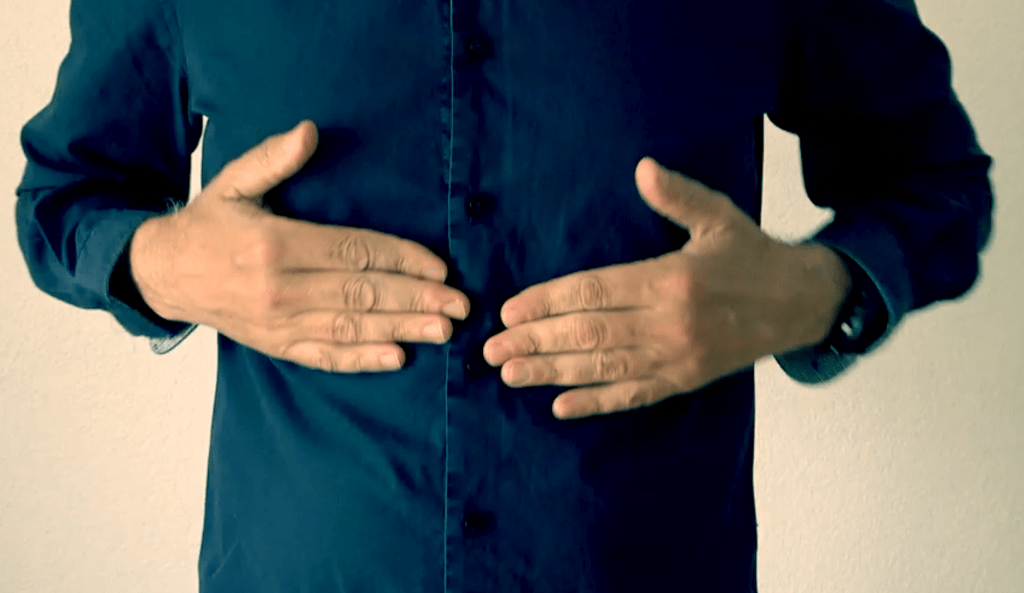
In summary, playing in a rhythm ensemble offers numerous benefits for school students. It promotes cooperation and a sense of community, rhythm sense, cognitive development, and creative expression. Students can improve their musical skills, develop important life skills, and have a valuable experience of making music together.
 Sasha Shlain Music